

The darkest tanks. The clearest images
Low-light aquarium photography. For venues that demand more.
Aquariums. Marine parks. Any tank with thick glass, mixed light, and subjects that won't pose.
The photography no one else can deliver — and the only work we do.
Ripley's Aquarium of Canada · Official photographer since 2013
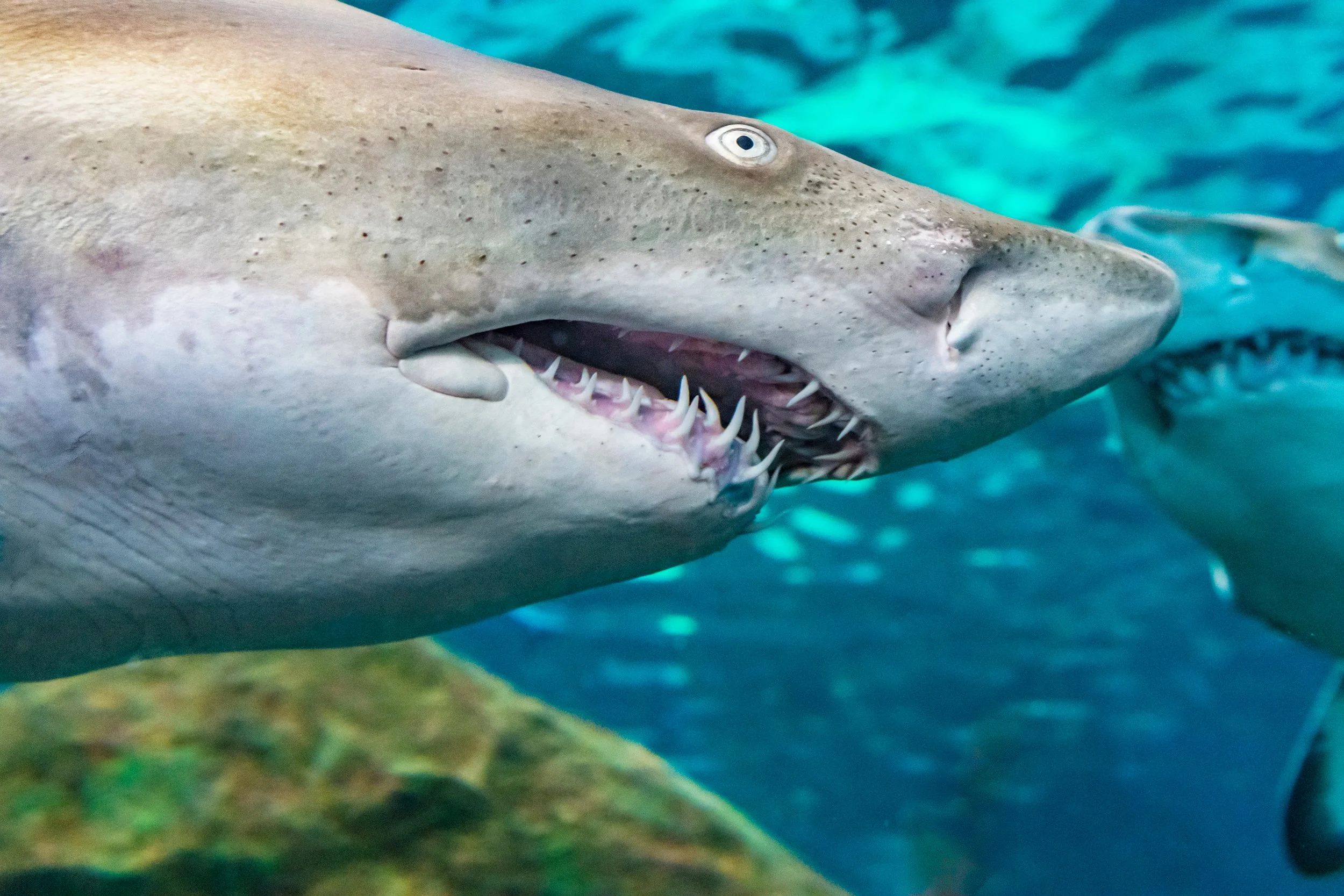
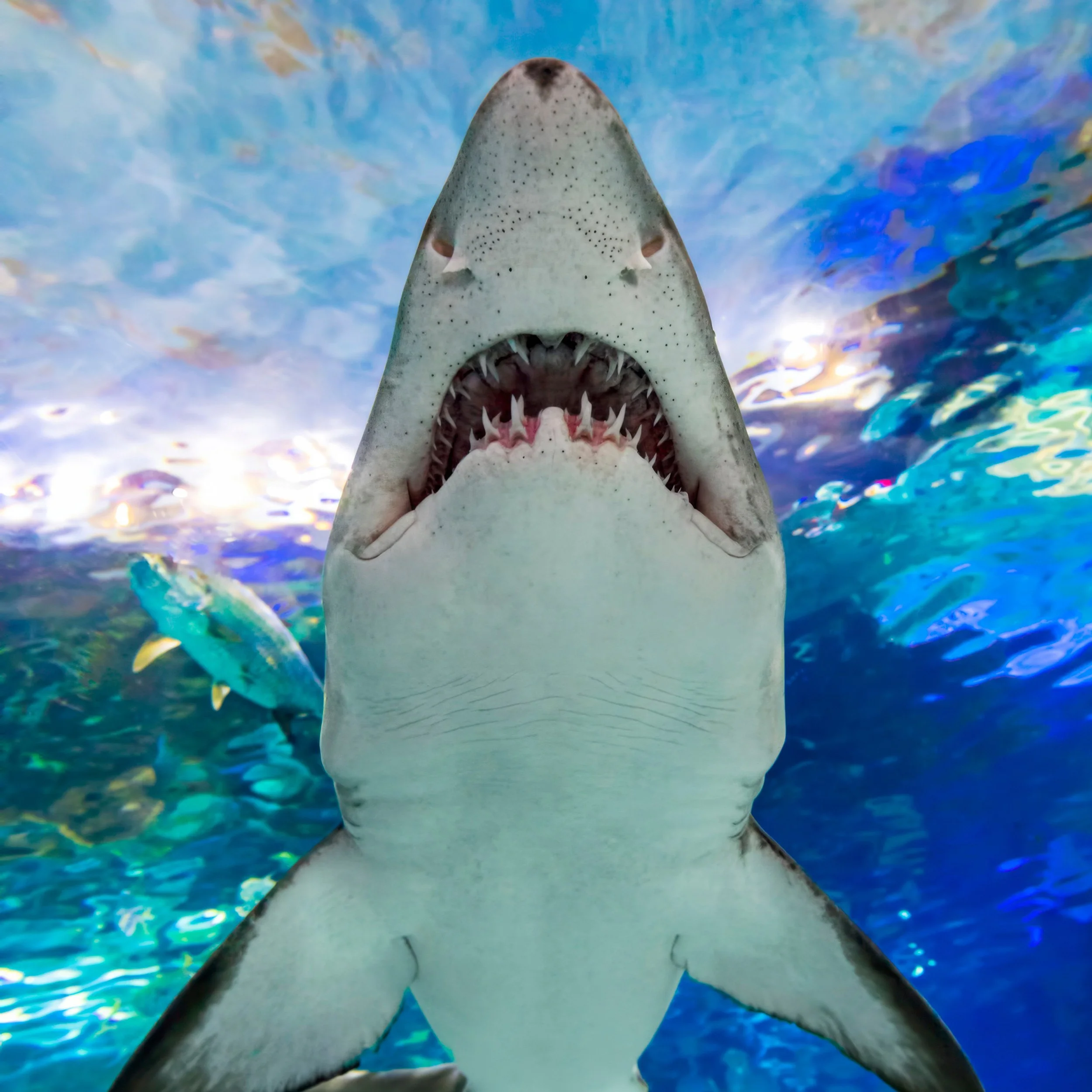
Sand Tiger Shark | Ripley's Aquarium of Canada
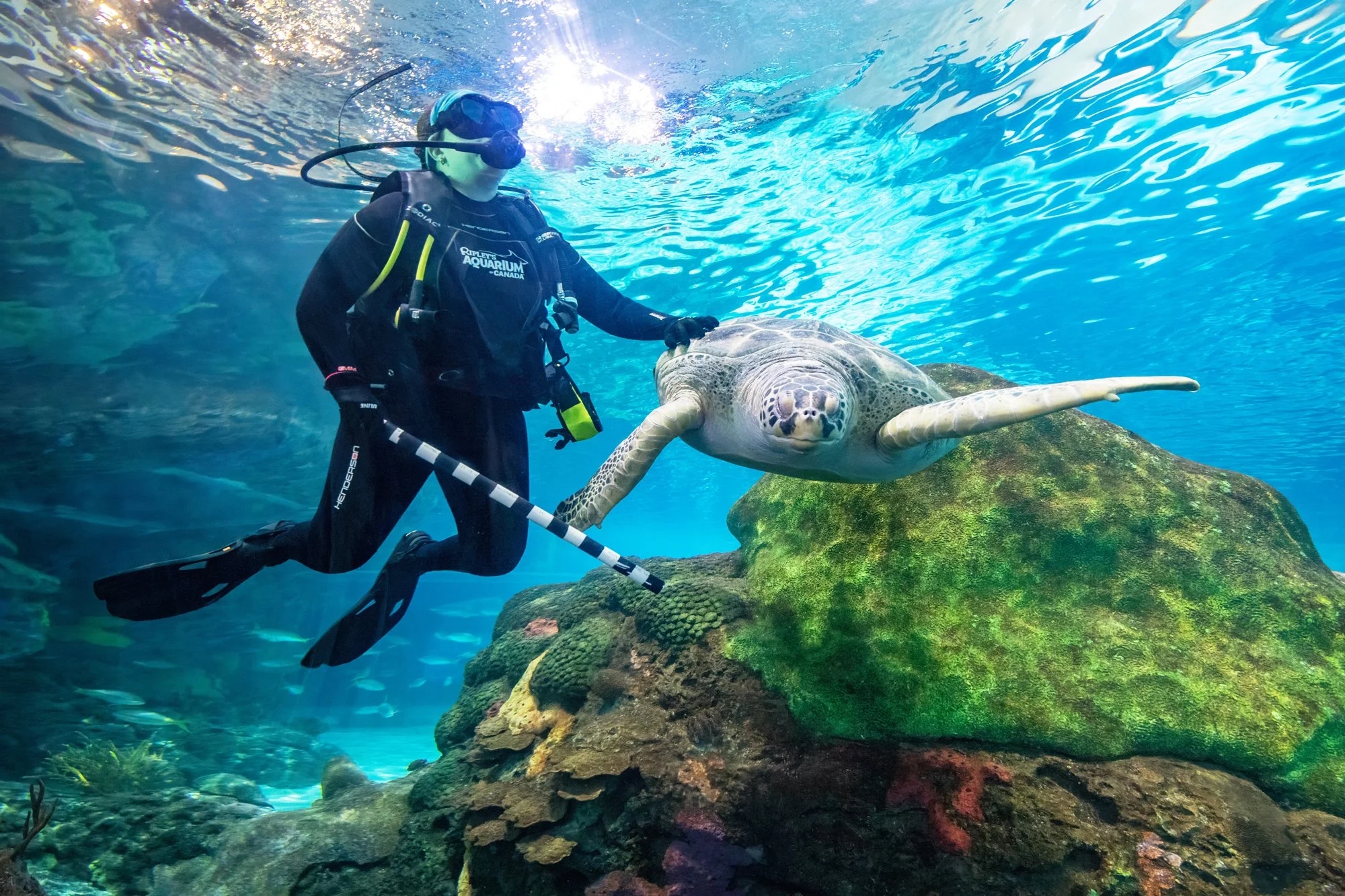
Green Sea Turtle | Ripley’s Aquarium of Canada
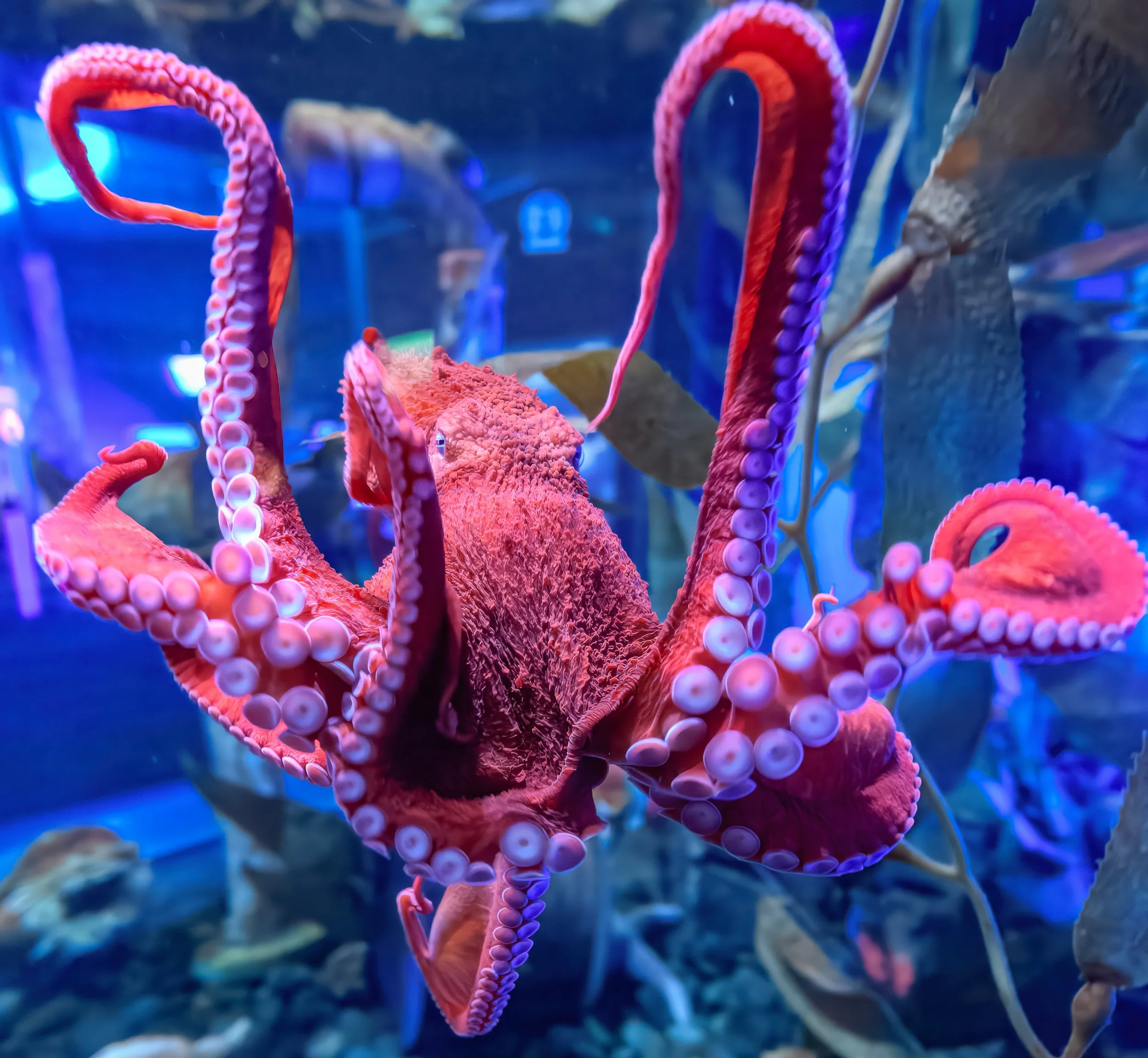
Pacific Octopus | Ripley's Aquarium of Canada
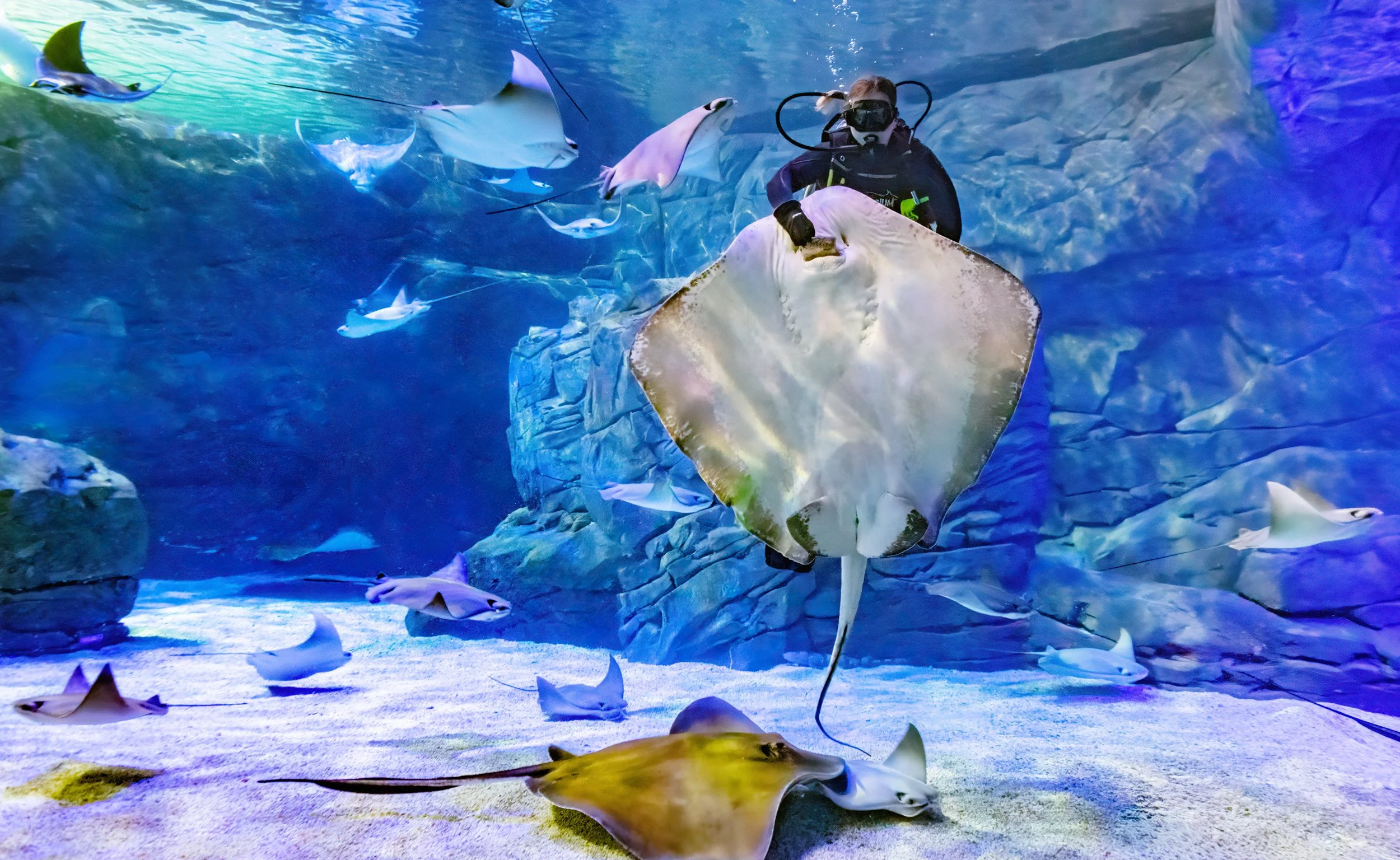
Ray and Diver | Ripley’s Aquarium of Canada
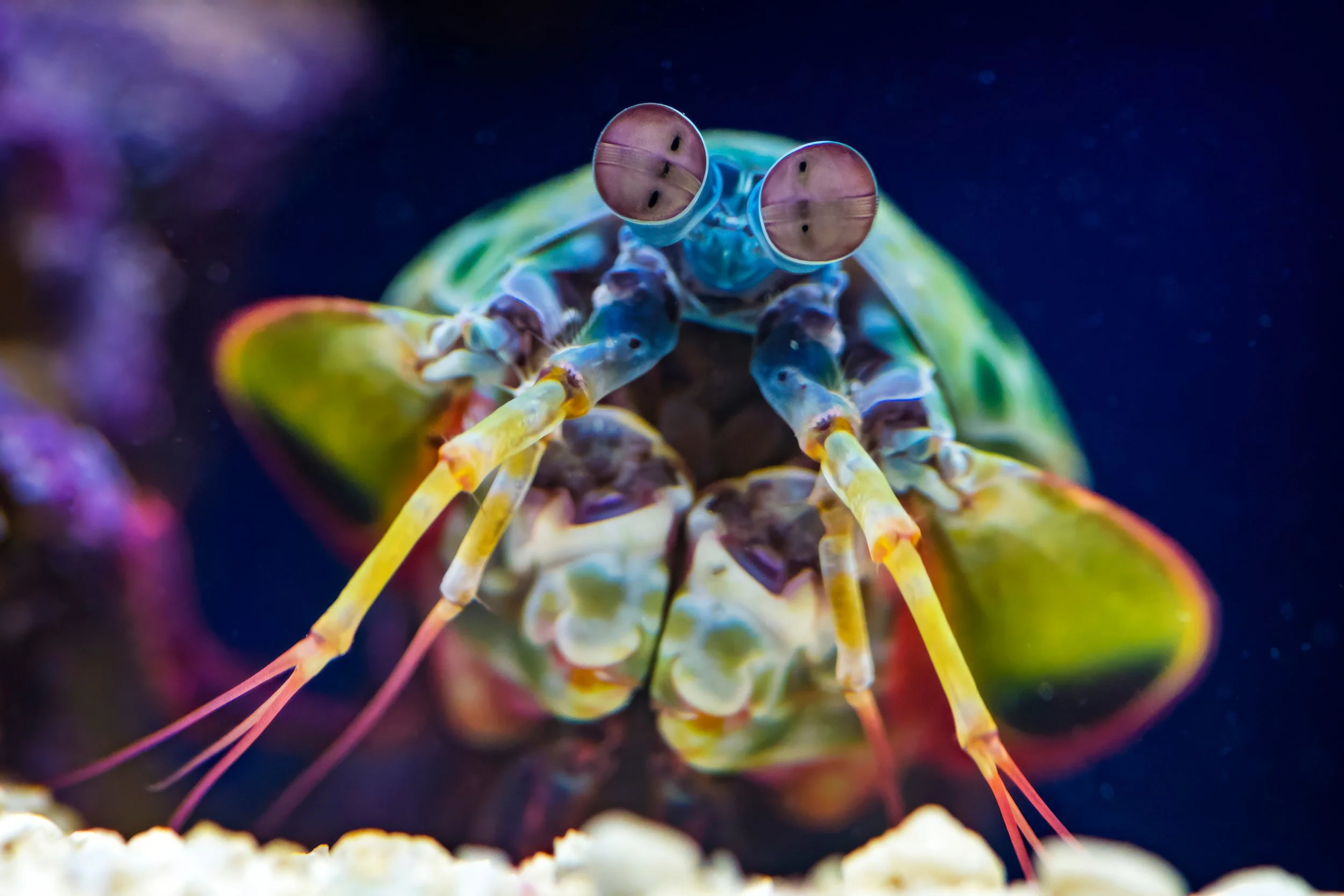
Peacock Mantis Shrimp | Ripley's Aquarium of Canada
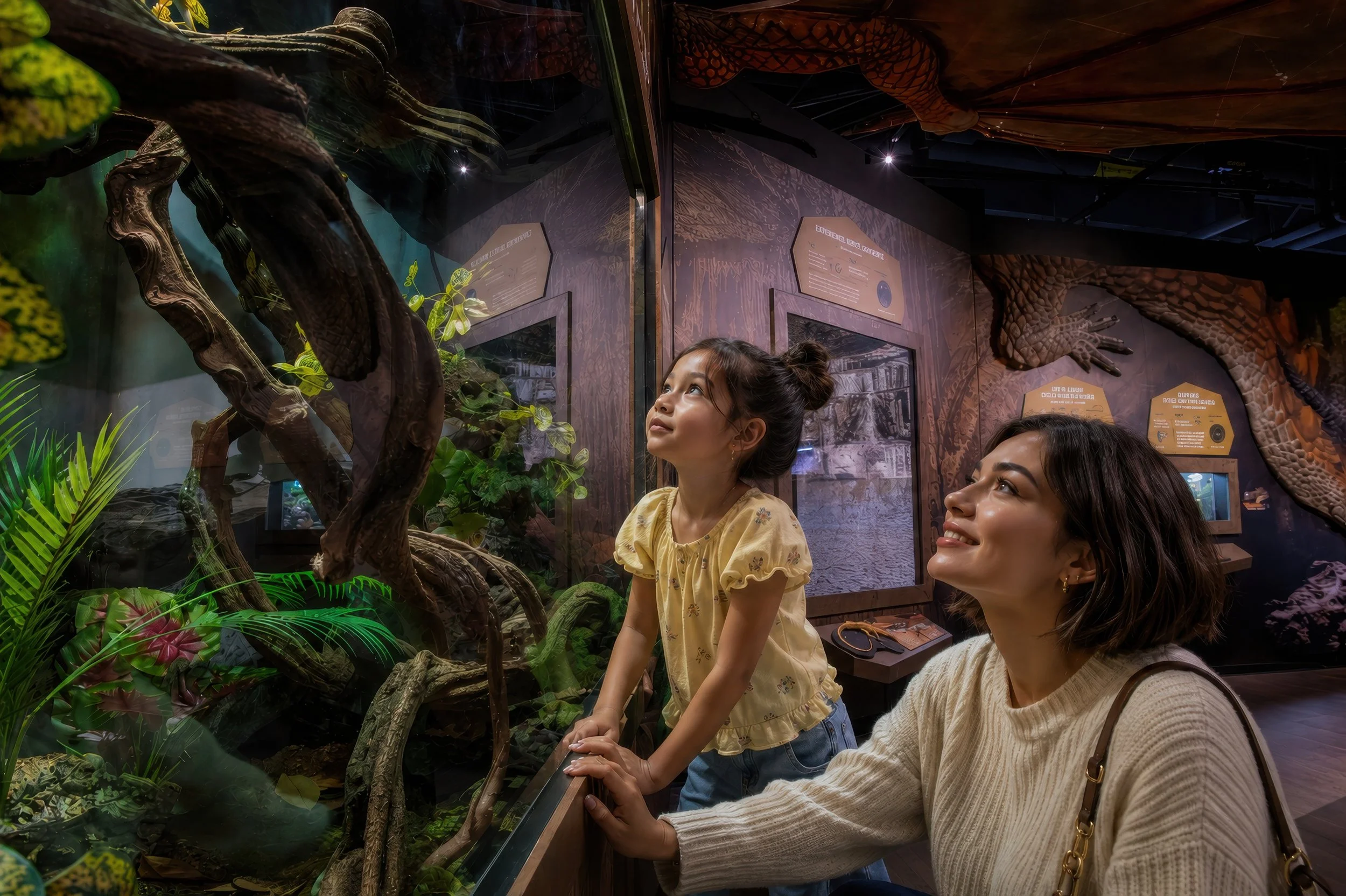
Family | Dragons Exhibit | Ripley’s Aquarium of Canada
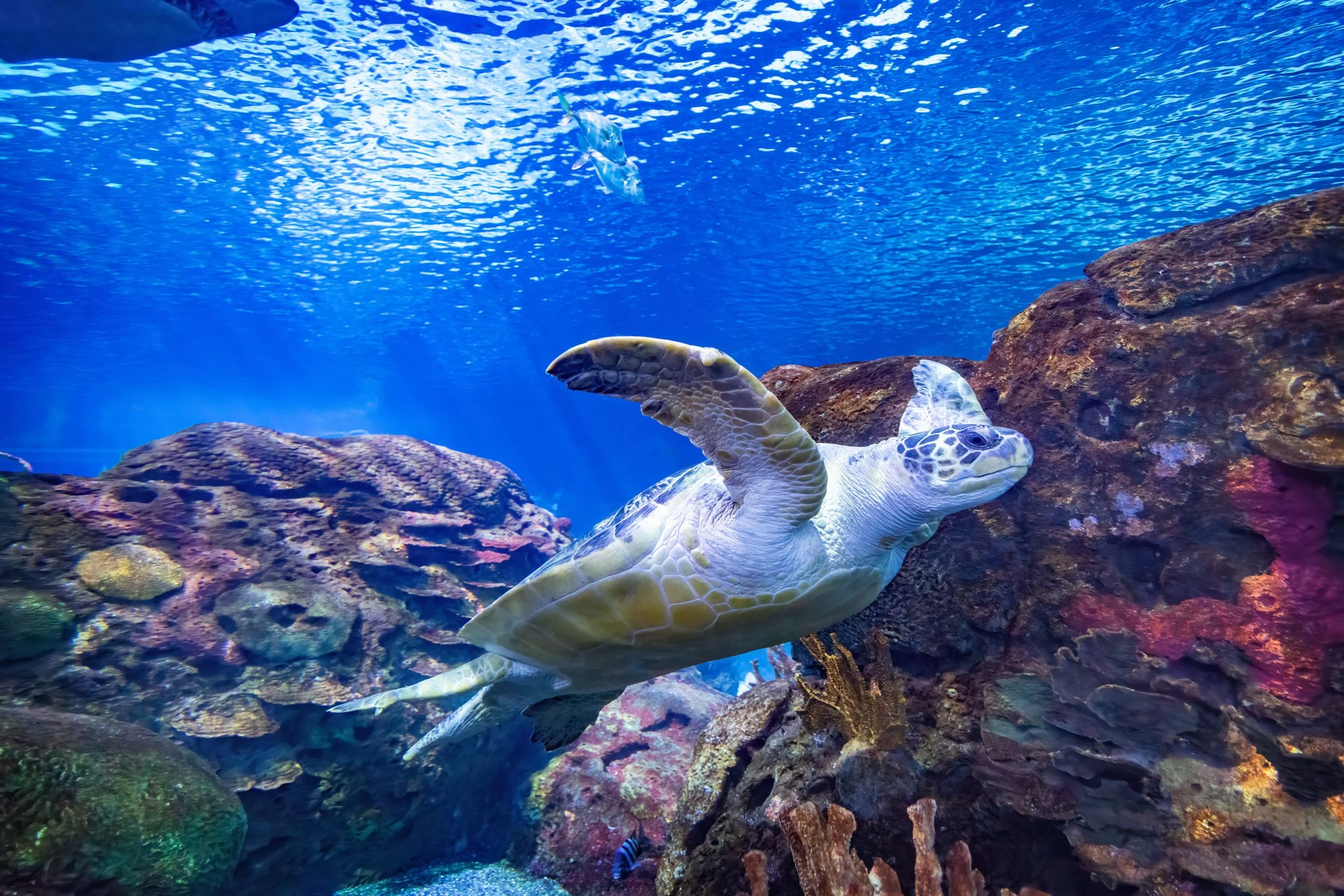
Green Sea Turtle | Ripley’s Aquarium of Canada
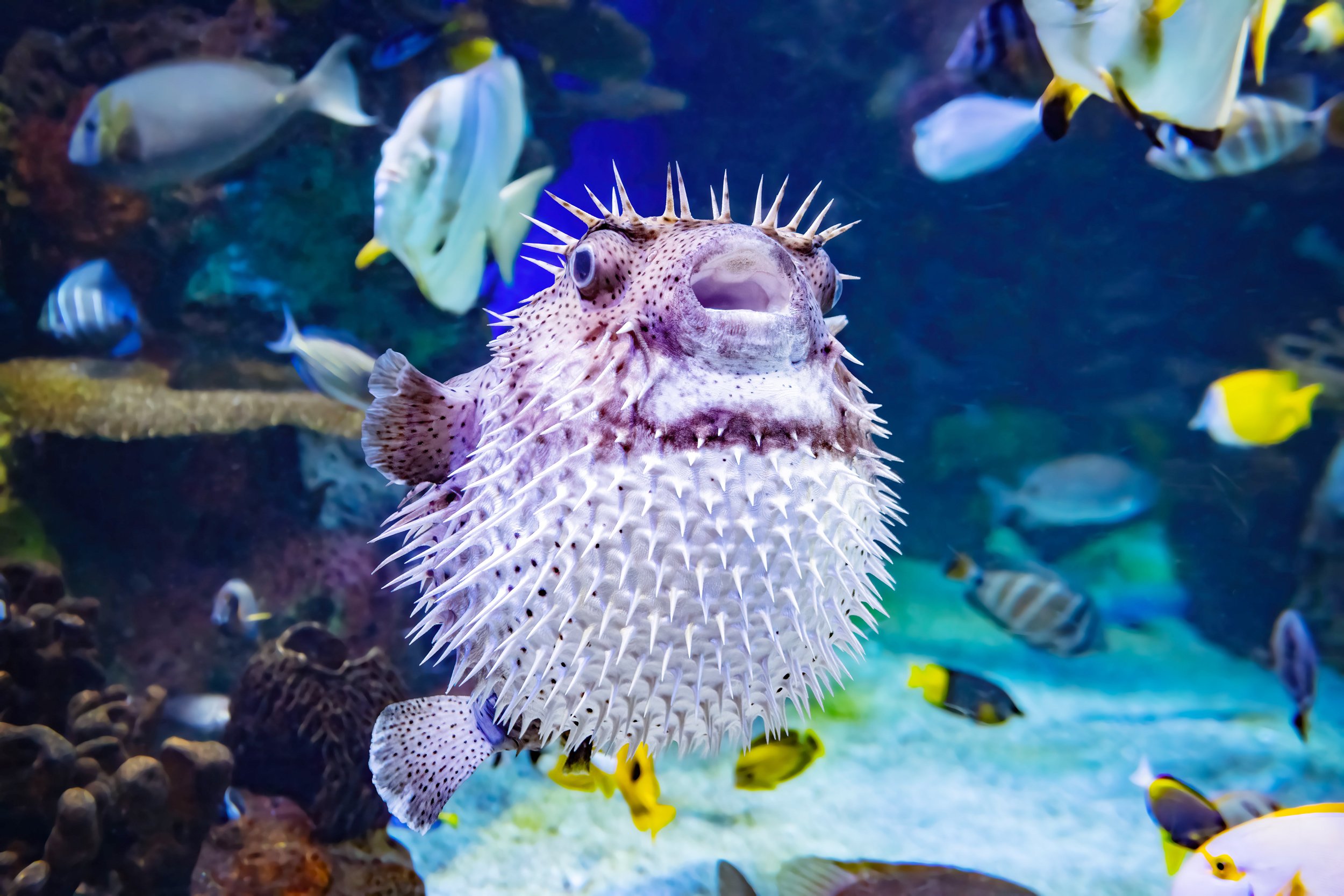
Porcupinefish | Ripley’s Aquarium of Canada
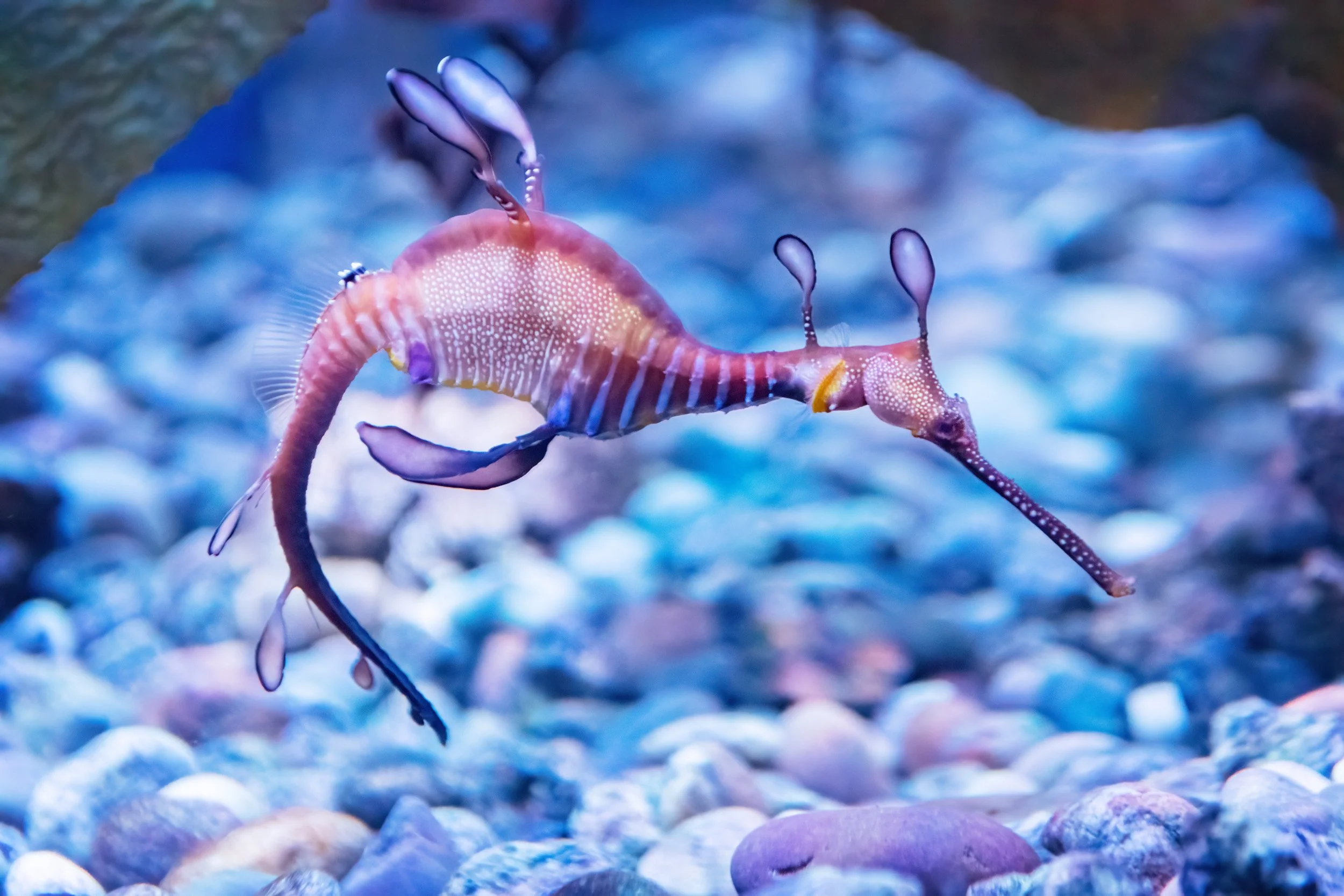
Weedy Sea Dragon | Ripley's Aquarium of Canada
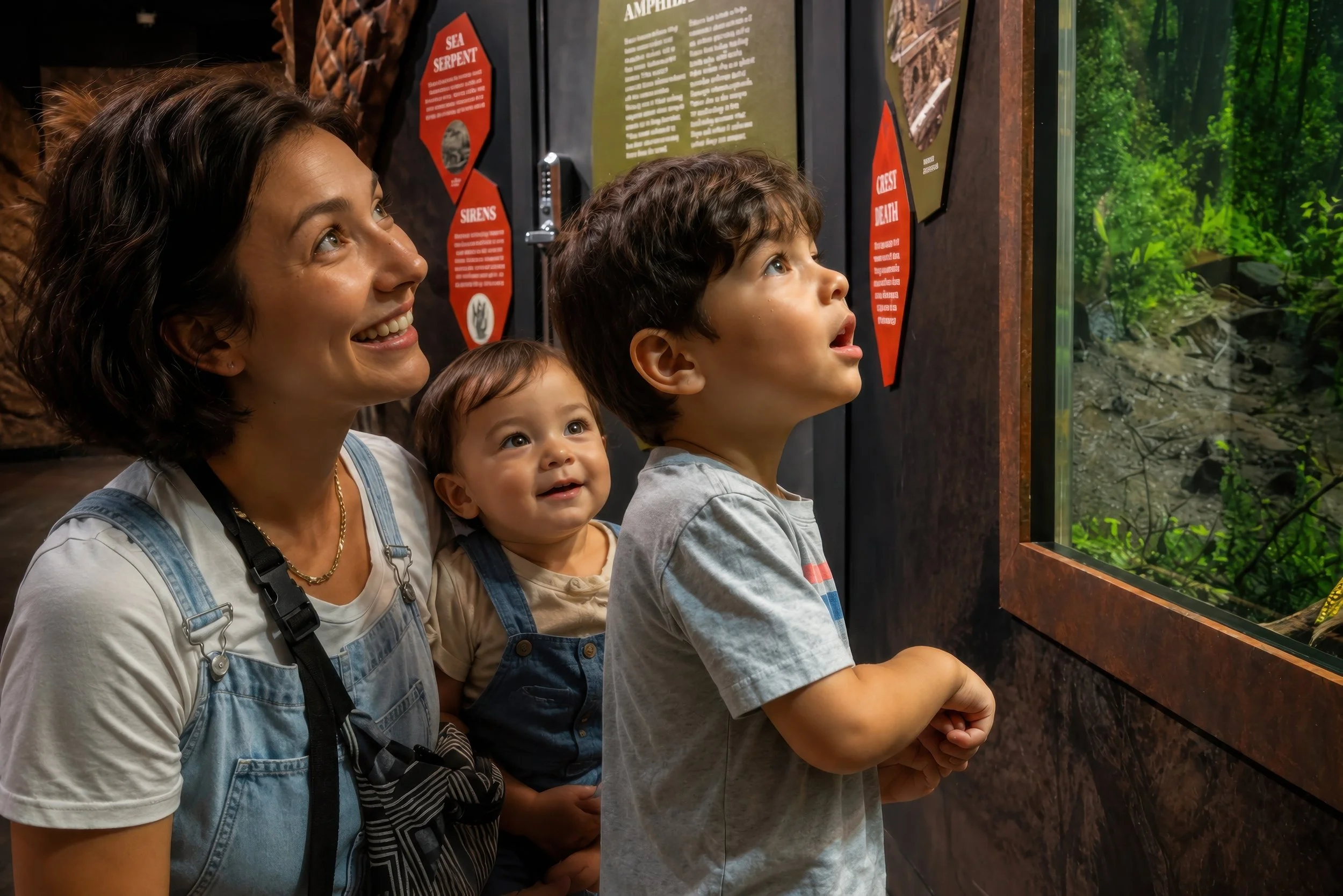
Family | Dragons Exhibit | Ripley’s Aquarium of Canada
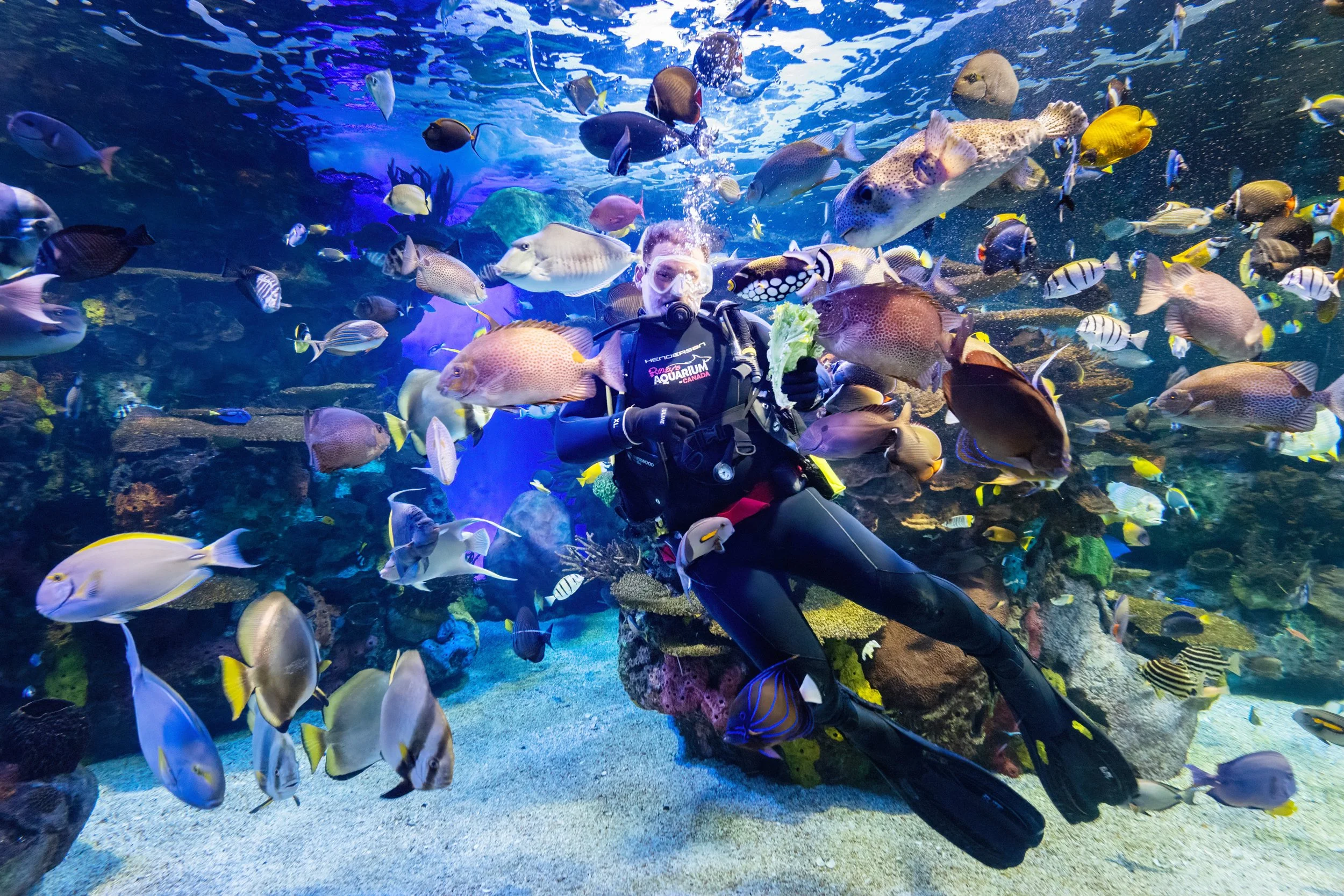
Diver | Rainbow Reef | Ripley’s Aquarium of Canada
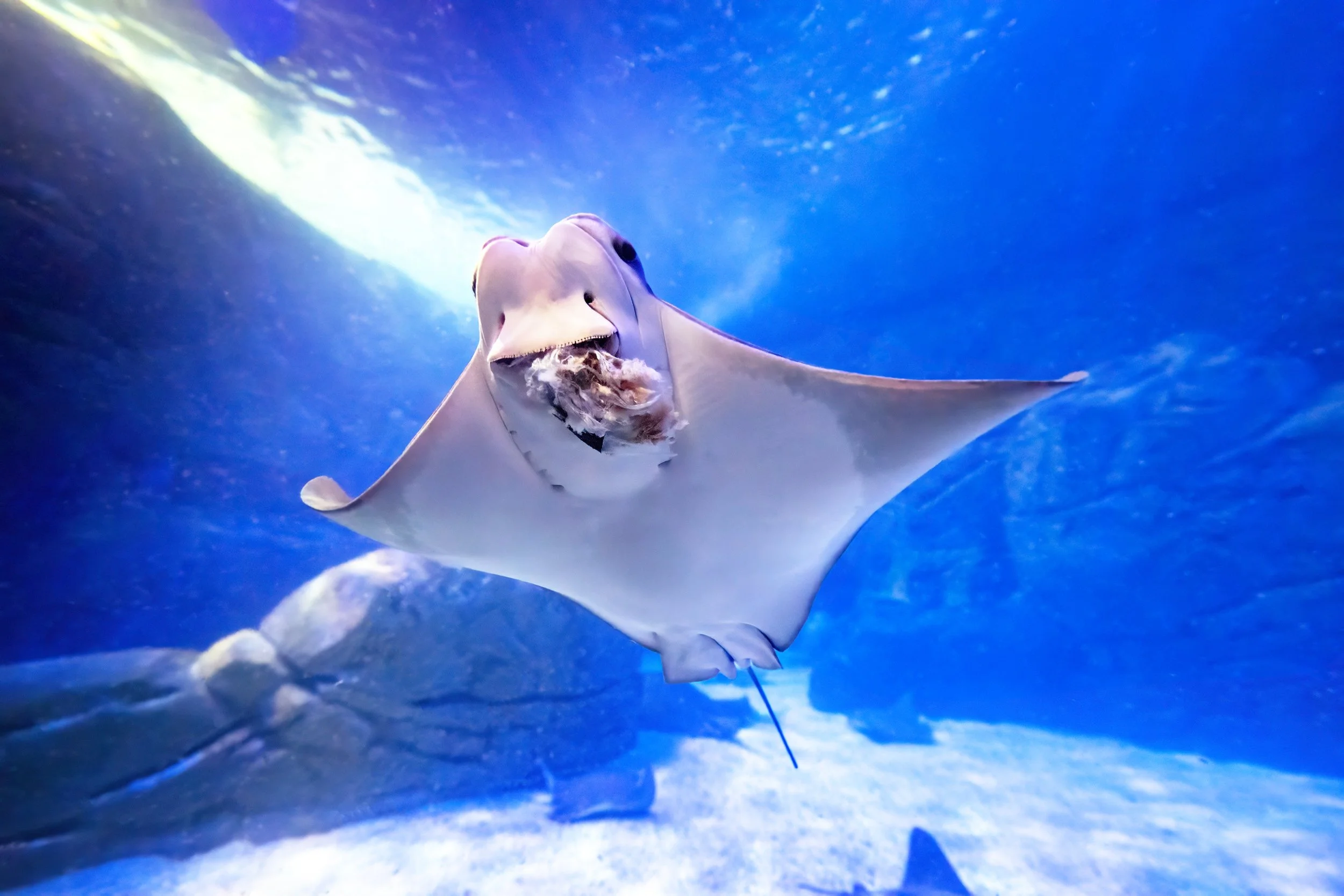
Cownose Ray | Ripley's Aquarium of Canada
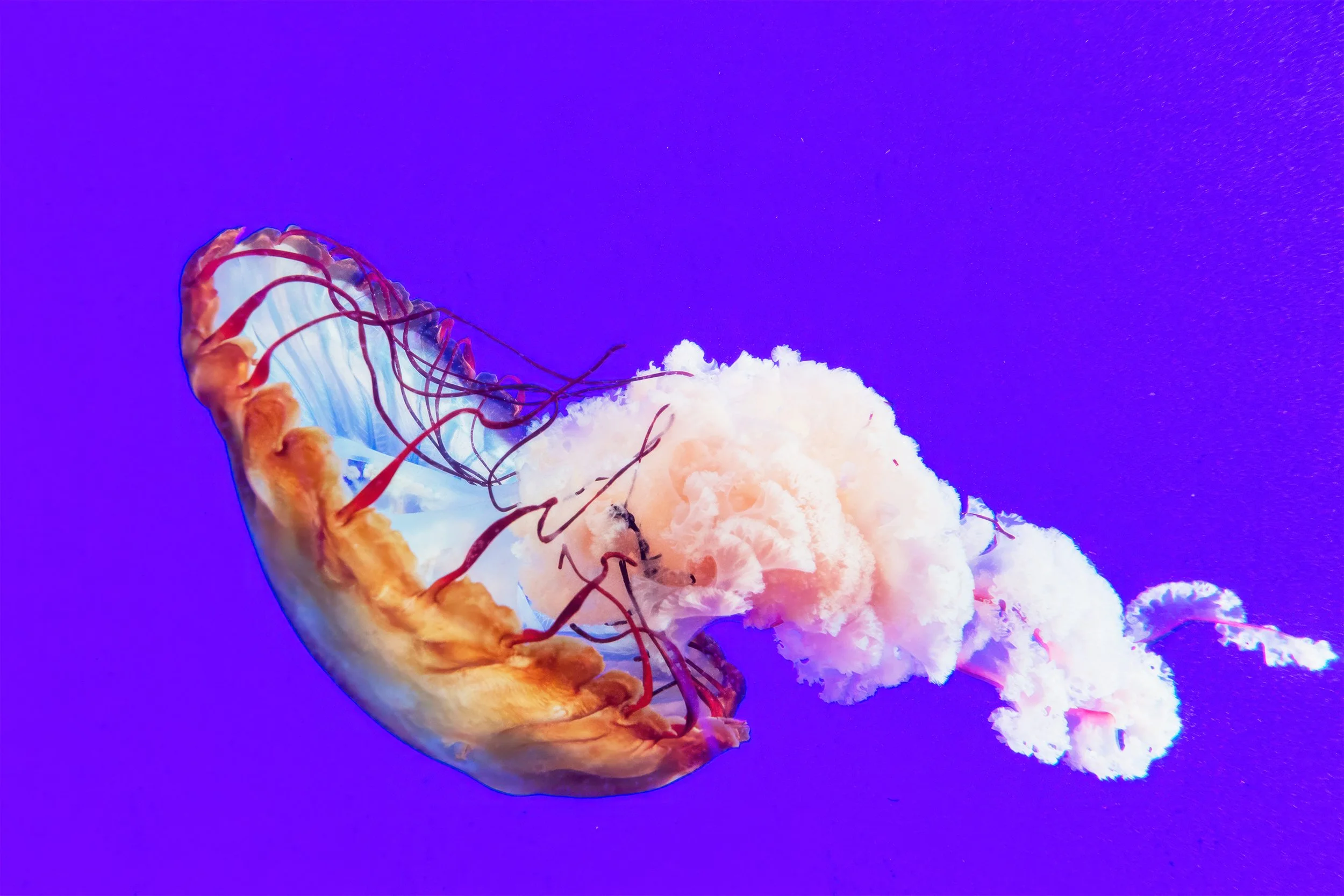
Pacific Sea Nettle | Ripley's Aquarium of Canada
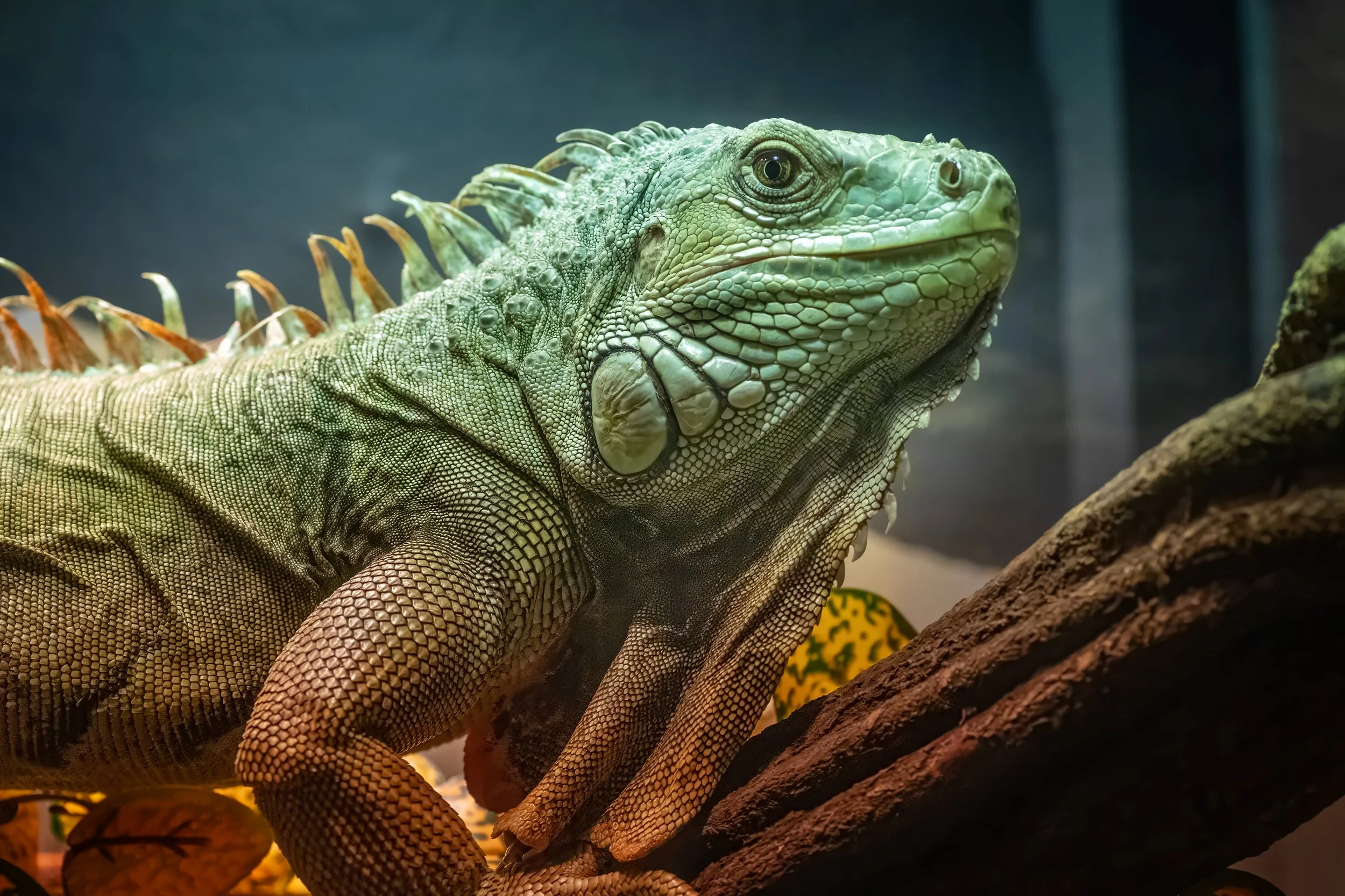
Green Iguana | Dragons Exhibit | Ripley's Aquarium of Canada
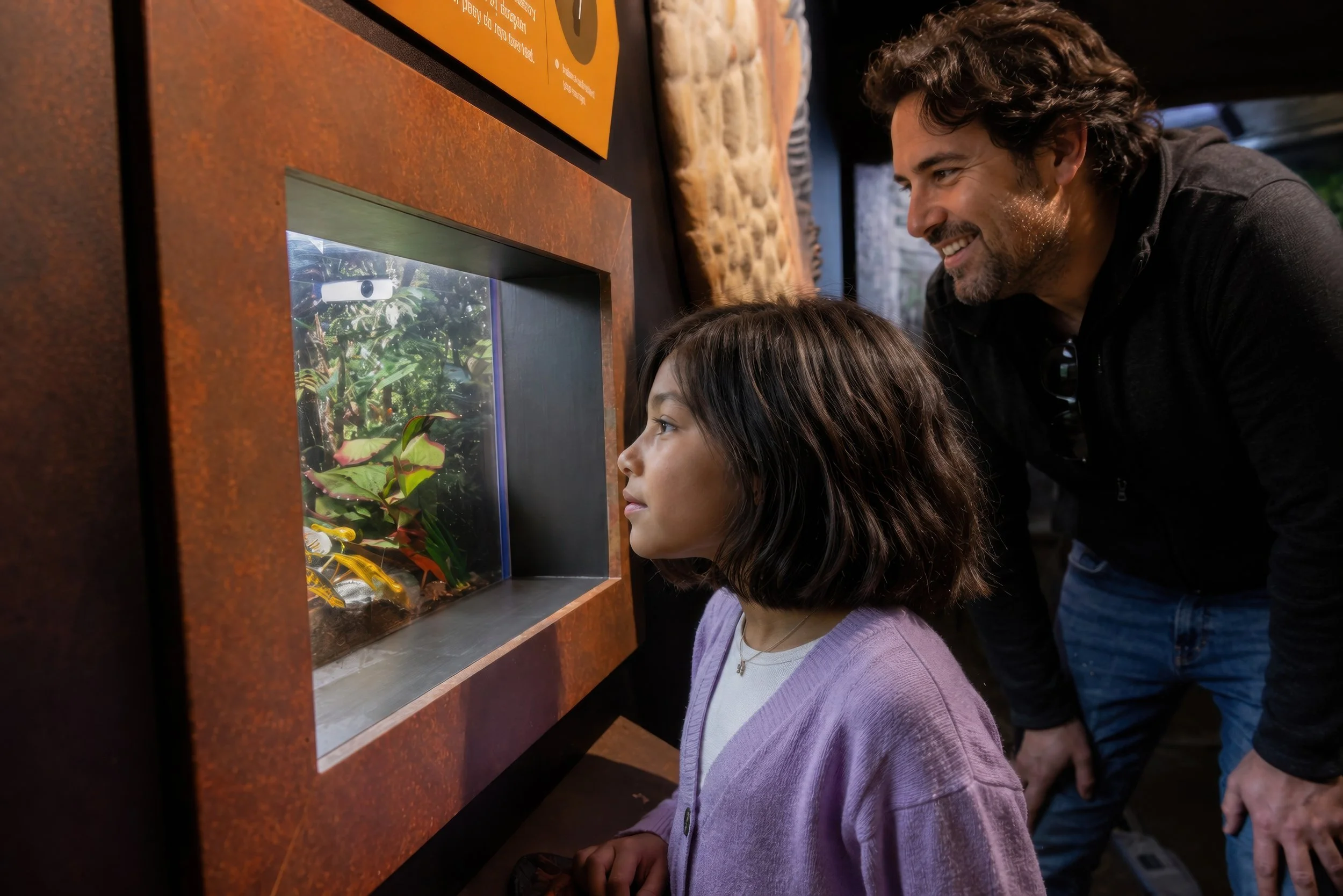
Family | Dragons Exhibit | Ripley’s Aquarium of Canada
What you walk away with
A library your team will actually use
Social media. Signage. Sponsorship decks. Press releases. Annual reports. Every image is shot and delivered ready for the demands of professional marketing — not just pretty, but useful.
Your venue as a destination
The right image doesn't just document an animal. It makes someone want to be in that room. We give aquariums and attraction venues the visual content that turns browsers into visitors and visitors into members.
Access where others stop
Thick glass. Mixed artificial light. Animals that don't take direction. These are the conditions we were built for. Where standard photography fails, our images deliver.
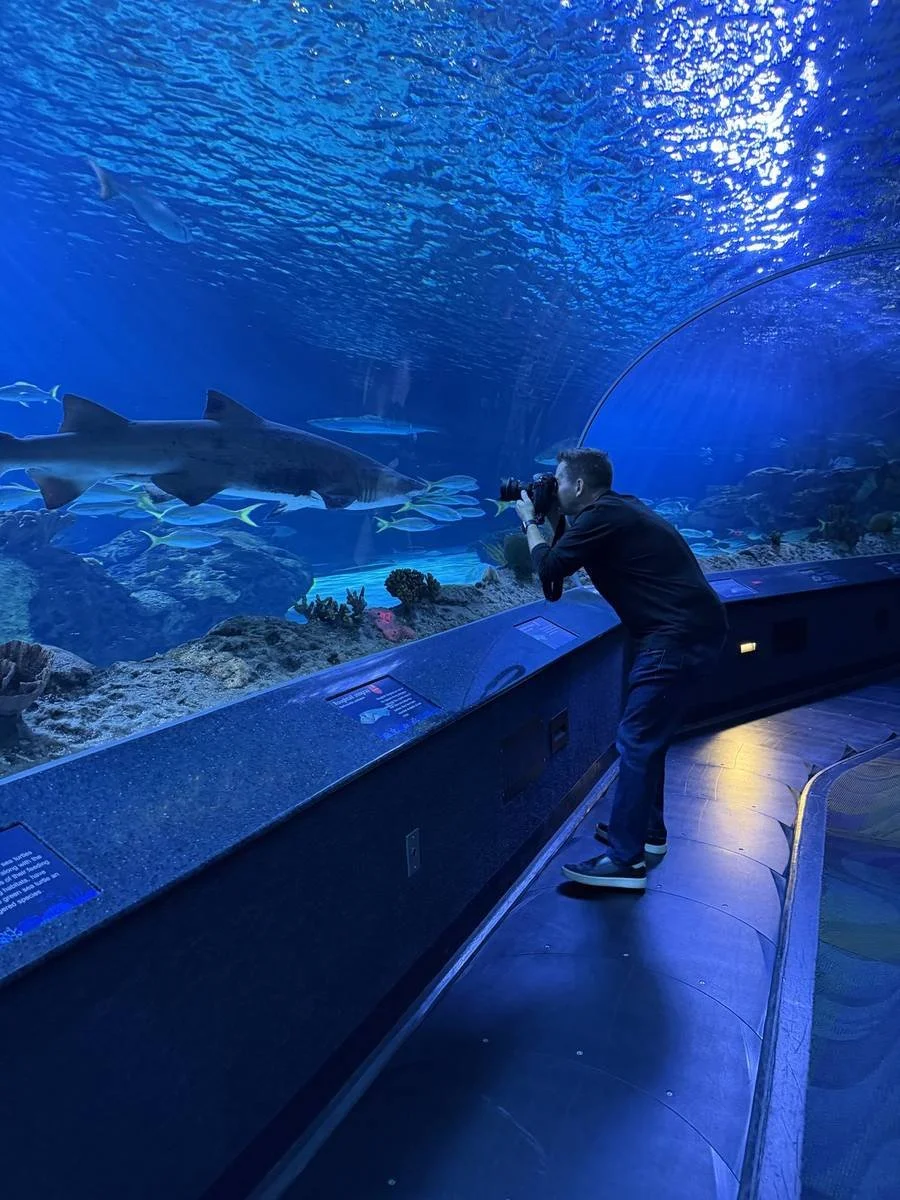
Michael Hope
I'm Michael Hope. For over a decade, I've been the photographer for Ripley's Aquarium of Canada. What started as one assignment has become a specialized practice — shooting the kind of dark, glass-bound, hard-to-light environments where standard photography breaks down.
The first shoot I did for Ripley's was Danger Lagoon and Ray Bay. I came out with a bit less than success. The next shoot, I began to develop a workflow. Over the years that workflow became a discipline, built around the physics of thick acrylic, mixed artificial lighting, and animals that don't take direction. Every tank teaches you something. After 11 years, you know exactly what it takes to capture great shots.
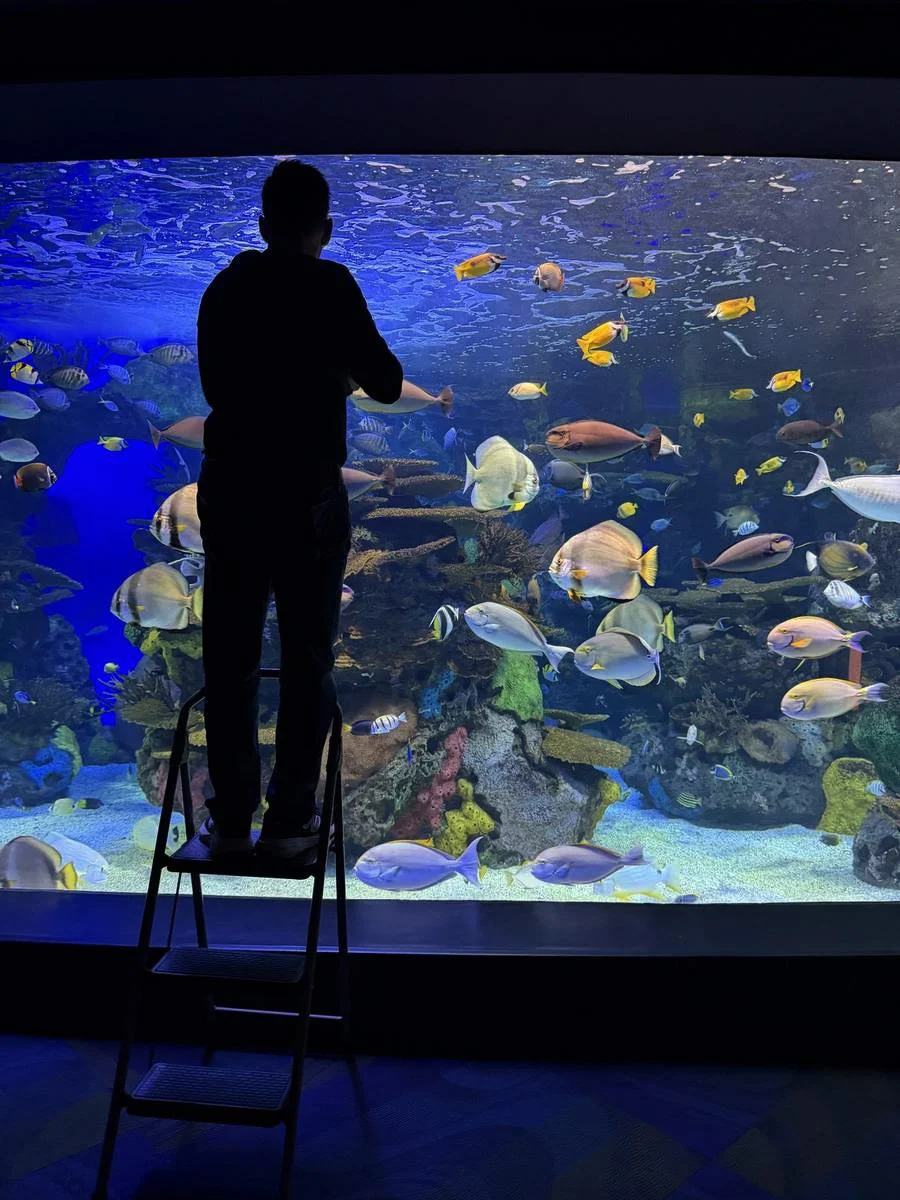
I work quietly. I don't bring additional lighting. I don't disrupt the animals or interfere with operations. Whatever a venue's exhibits look like to a visitor on a Tuesday afternoon is typically what I’m working with. The rest is patience and becoming very adept at anticipating how subjects move. That's what gives a venue the marketing library their team can actually use.
How we work
1. First conversation. A short call to understand your venue, your animals, and what your marketing team needs.
2. Site survey. Where possible, a walk-through to map lighting, exhibit access, and timing.
3. Shoot planning. An agreed shot list, schedule, and any details or restrictions you need me to be aware of.
4. Shoot day(s). Depending on your needs and budget, typically one to three days on-site. Quiet, self-contained, no disruption to animals or guests.
5. Editing and delivery. A retouched library delivered in the formats your team actually uses.
“Thank you so much for these images – they look amazing.
I think those octopus shots might be the best I’ve ever seen!”
— Lizzie Sibbald, Marketing and Communications Manager, Ripley's Aquarium of Canada